


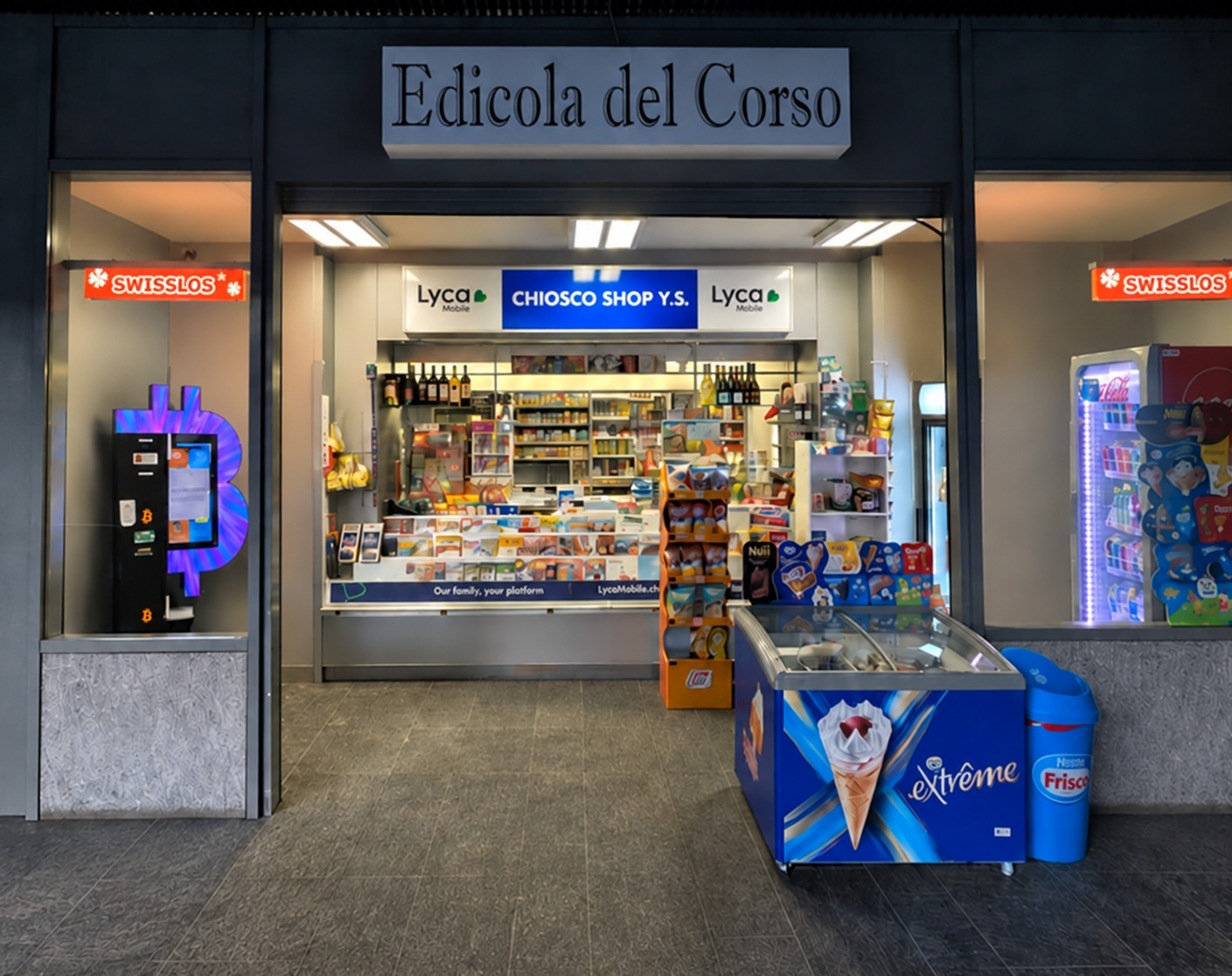
Bitcoin ATM at a store or kiosk in Switzerland: How to Evaluate the Location and the Contract with the Operator

Home > Blog > For Businesses and Partners > Article: “Bitcoin ATM in a store or kiosk…”
Do you run a newsstand, convenience store, or gas station and are considering providing space for a Bitcoin ATM? Start by asking yourself two questions: Will customers be able to use the device comfortably, and under what terms are you partnering with the operator? Foot traffic alone does not guarantee the success of such a service.
The Swiss National Bank notes that in 2025, cash was still in regular use, particularly at small retail outlets. The SNB’s study describes how people pay for their purchases; however, it does not specify how many customers at a given store use a cash machine. This information must be verified for each specific location.
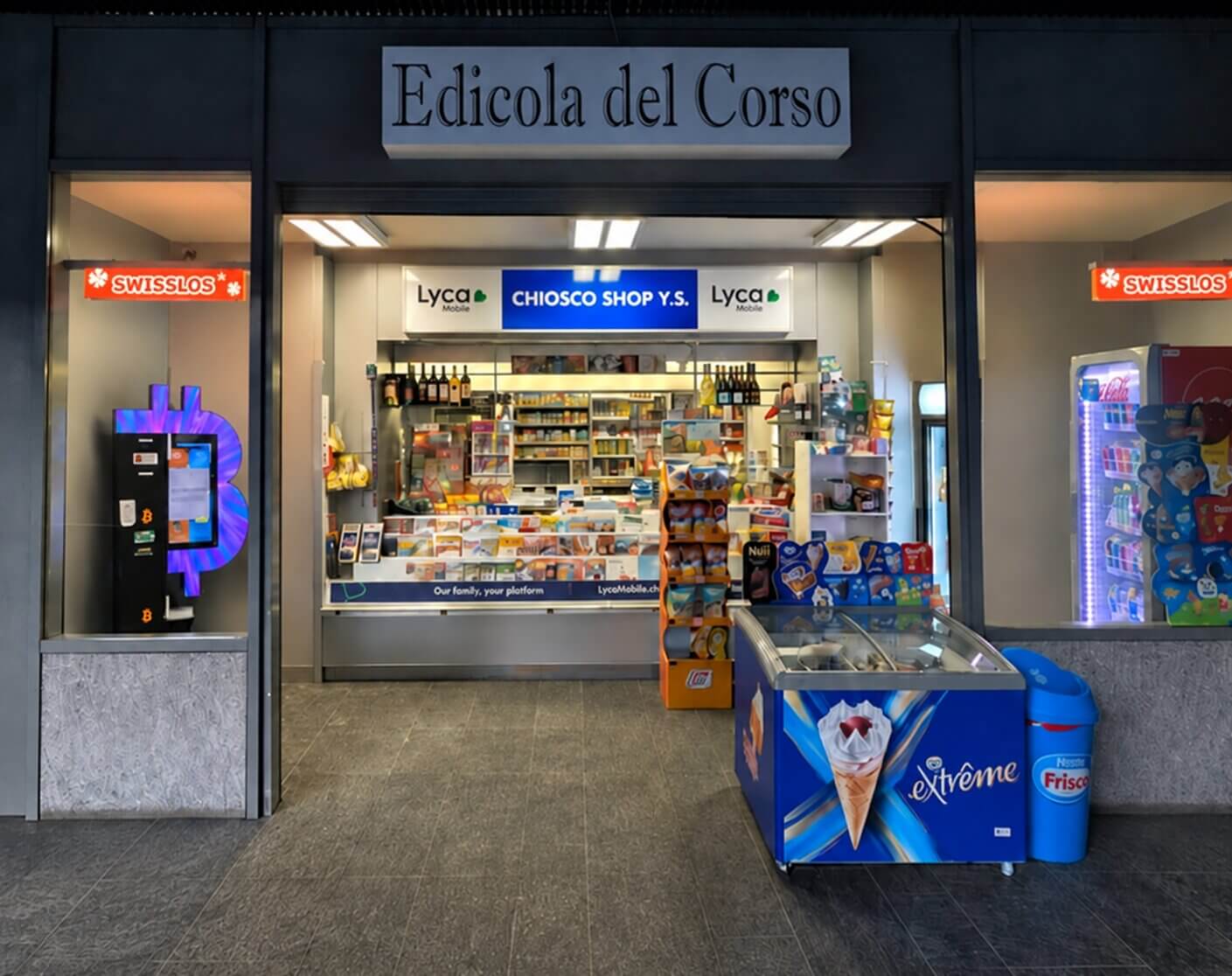
Table of Contents
- What does it mean to make space available for a Bitcoin ATM?
- Is your space suitable for a Bitcoin ATM? Five things to check
- Who is responsible for the device, the cash, and the verification?
- How do you account for the provision of space?
- How can you evaluate a location before signing a long-term lease?
- Frequently Asked Questions from Property Owners
- Summary
What does it mean to make space available for a Bitcoin ATM?
In the simplest model, a business owner provides a portion of their premises, and a separate operator installs and operates the machine. The customer completes the transaction on the Bitcoin ATM screen, in accordance with the operator’s rules. The store owner should not assume that they automatically become a cryptocurrency seller or that they are automatically exempt from all obligations. The scope of their role is determined by how the service actually operates and by the contract.
This distinction is important because operating your own network entails a different set of costs and responsibilities. A separate Rothbard guide is dedicated to this topic: how to start a Bitcoin ATM business. Here, we’re talking about an entrepreneur who is considering making their space available to an independent operator.
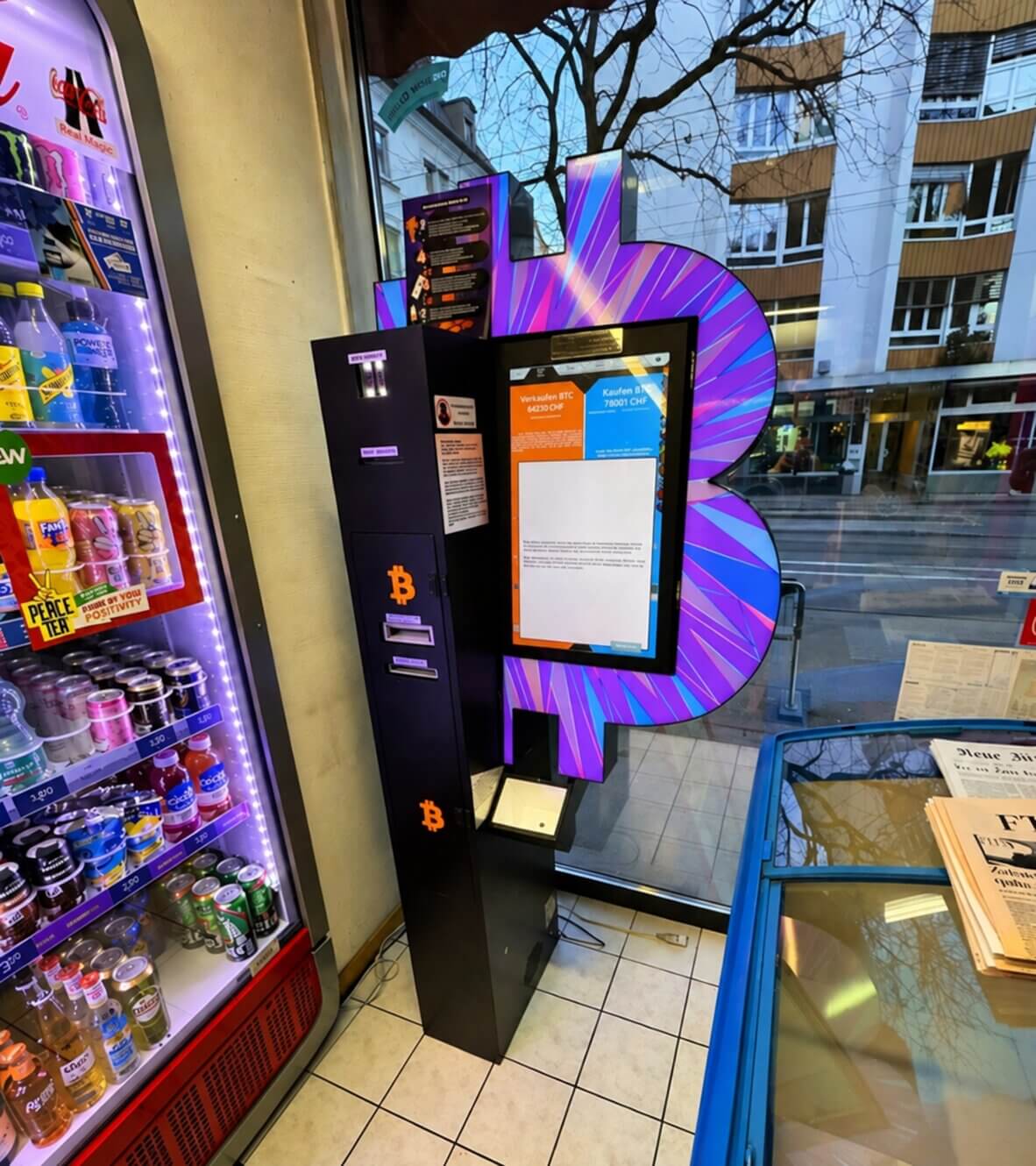
It’s worth noting how varied the installation sites can be: the map at Bitcoin ATM in Switzerland shows, among other things, a device at a Zurich newsstand at Limmatstrasse 197 and a location at a gas station in Mendrisio. These are examples of the types of locations, not data on their revenue.
The various ways to access the devices are illustrated by examples of locations in Mendrisio, Lugano, and Winterthur.
Is your space suitable for a Bitcoin ATM? Five things to check
Check the location before speaking with an operator
1. Accessibility in Practice
Note the times when customers can actually access the device. A store with long hours offers a wider window of access, but the entrance from the street, the freedom to move around the premises, and space for a short wait are also important. Do not claim 24/7 availability if the device is behind locked doors after the store closes.
2. Visibility and Discretion
Customers should be able to find the machine without having to ask a staff member. At the same time, the screen should not be visible to the entire line at the checkout. Walk the route from the entrance to the planned installation location and check whether the self-checkout machine can be used without obstructing shoppers or the traffic flow.
3. Customer traffic and other points of interest in the area
Compile observations from different days and times: when traffic is heaviest, who visits the location, and whether nearby self-service kiosks are actually being used. Check the map to see which Bitcoin ATMs kiosks are operating in the neighborhood, what their hours are, and whether they support both directions of exchange. Heavy foot traffic alone does not prove there is demand for cryptocurrency transactions.
4. Technical Requirements and Approvals
Ask the service provider for the specifications of a specific device: dimensions and mounting method, power supply, connectivity, and requirements for service access and cash handling. Then check whether the layout of the premises, the lease terms, the facility’s policies, and your insurance allow for it. Don’t assume that every model requires the same amount of space or that a standard electrical outlet will solve all installation issues.
5. Security and Customer Contact
Determine who is responsible for handling a system failure, a lost receipt, a complaint, damage to the machine, or a suspected case of fraud. Staff should know where to direct a customer but should not tamper with the customer’s wallet or perform transactions on the customer’s behalf. If surveillance is planned, the privacy of customers and employees must be protected; the Swiss data protection authority outlines restrictions on cameras in the workplace.
To formally report a problem, the customer should receive a complaint resolution procedure.
Who is responsible for the device, the cash, and the verification?
It’s not enough to say, “The operator will take care of the rest.” Ask for a written breakdown of responsibilities, covering delivery and installation, internet and power, updates, maintenance, cash deposits or withdrawals for the device, insurance, customer support, and the procedure for reporting incidents. It’s also a good idea to determine who publishes the store’s hours and who updates them when the store’s hours change.
From a regulatory standpoint, what matters is the actual business model. FINMA explains that professional financial intermediaries subject to the Swiss AMLA must join a recognized self-regulatory organization that oversees their anti-money laundering obligations. Before signing the contract, determine who is the service provider to the customer, who performs the required identification procedures, and who stores the related data. If store staff are to assist with these activities or handle cash from the machine, commission a separate assessment of the scope of their duties.
How do you account for the provision of space?
Contracts may provide for a fixed fee per space, a share of an agreed-upon revenue base, or a combination of both. None of these options guarantees a specific outcome. The most important question is: What exactly is the basis for calculating the space’s share? Transaction volume, the fee charged to the customer, and the amount remaining after expenses are all different figures.
Example provided solely to illustrate the agreement
Let’s assume that the contract allocates 25% of the settlement base to the location and that the agreed-upon base for a given month was 1,000 CHF. The payment to the location would then be 250 CHF. If the same contract stipulated that the 25% would be calculated only after deducting additional costs, the result could be lower. These figures are hypothetical: they do not reflect market rates, turnover, or the performance of any Bitcoin ATM location in Switzerland.
Questions to Ask Before Signing
- How is the payment base defined, and which items may be deducted from it?
- When will the owner receive the report, the payment, and the opportunity to dispute the settlement?
- Who bears the costs of energy, communications, maintenance, damage, and downtime?
- Is there a guaranteed minimum fee, a trial period, and clear cancellation policies?
- What happens if a store changes its hours, the premises are remodeled, or the operator goes out of business?
Ask for a sample monthly report and go over one statement together. If you can’t determine the amount owed to the property from it, the entry for “share of commission” is too vague.
How can you evaluate a location before signing a long-term lease?
Start with a brief assessment of the location: a photo of the planned device setup, hours of availability, the property owner’s consent, technical capabilities, and information about nearby sites. Next, discuss the pilot program terms with the operator and what data regarding the site’s operation it will provide.
After launch, monitor the device’s availability, the number of days of downtime, the number of service requests, and the amount owed to the location under the contract. If the operator provides aggregated transaction data, you can also compare months and hours of operation. Do not treat a single successful weekend or the store’s total number of customers as a forecast of annual revenue.
In the case of a small store with limited space, good financial results won’t make up for every inconvenience: the equipment must coexist with the register, the display area, and the team’s daily work. After the trial period, evaluate both aspects together.
A Short Checklist
Is this space suitable for a Bitcoin ATM?
Before discussing compensation, check the five factors that affect how the equipment operates at your location.
| What should be evaluated? | Question to be checked on-site |
|---|---|
| 1. Availability | During what hours can a customer actually approach the machine? Do the store's entrance and layout provide convenient access? |
| 2. Visibility and Discretion | Will the customer be able to Bitcoin ATM without assistance from staff and use it without blocking the aisle or the checkout line? |
| 3. Environment | What is foot traffic like at different times of day, and what other Bitcoin ATMs are operating in the area? Foot traffic in the store alone does not confirm demand for transactions. |
| 4. Installation | Are power, connectivity, and space for maintenance available? Do the lease terms, facility policies, and insurance coverage permit the installation? |
| 5. Troubleshooting | Who handles customer service reports and complaints? Do staff members know when to refer a customer to an operator? |
Conclusion: If a position meets these criteria, compare the offers from different employers, the scope of responsibilities, and how compensation is calculated.
Frequently Asked Questions from Property Owners
Do I have to buy Bitcoin ATM to have it in my store?
Not under a model where space is provided to the operator. Purchasing and operating the equipment yourself is a different business model; check the contract to see who owns the machine and who pays for installation and removal.
How much does a store on Bitcoin ATM make?
There is no single reliable figure for each point. The payment depends on the agreed-upon model, the basis for calculation, and the actual use of the device. Do not base your decision on someone else’s results without access to the contract and source data.
Are employees required to assist with transactions?
The scope of their role should be specified in the contract and in the staff manual. The simplest division involves providing the customer with the operator’s contact information; other tasks require separate determination and evaluation.
What should I do if the device isn't working?
Report the outage through the designated channel and follow the procedure agreed upon with the service provider. The contract should specify the response time, the rules for marking an inoperative device, and the method for notifying customers.
Summary
A Bitcoin ATM can be an additional service at a kiosk, store, or gas station, provided it fits the specific location and has clearly defined operating guidelines. Before making your space available, check the technical requirements, accessibility, the role of staff, responsibility for the service, and how compensation is calculated. The value of the partnership will be determined by actual results and a transparent agreement, not by a general promise of “passive income.”
Proposed Location
Do you have a venue that can accommodate Bitcoin ATM?
Submit the address, hours of operation, a photo of the proposed location, and information about power availability. Inquire about the possibility of having the location evaluated and the terms of cooperation.
Submit a location proposalSubmitting a proposal does not guarantee that the location will be accepted into the network.
Rothbard.eu is developing the Bitcoin ATM aggregation platform in Switzerland, allowing users to find locations where they can buy and sell BTC and other cryptocurrencies for cash. The kiosks are available in Zurich, Geneva, Basel, Lausanne, Lucerne, Lugano, and Mendrisio, among other locations, and their current status and availability of funds can be checked online on the website’s map.
This material is for informational purposes only. It does not constitute investment, tax, or legal advice.